


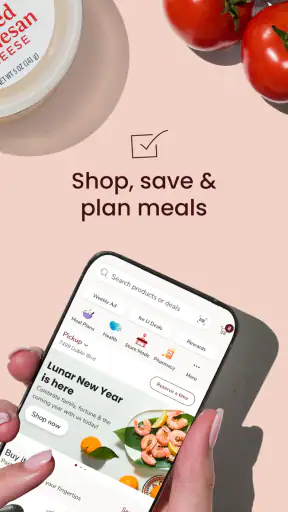
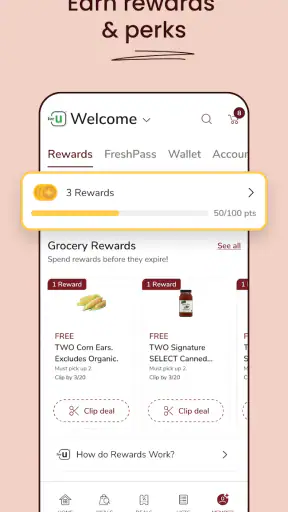
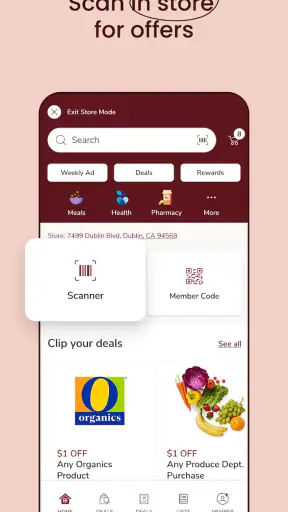
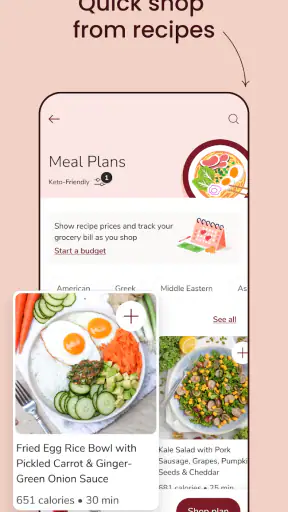
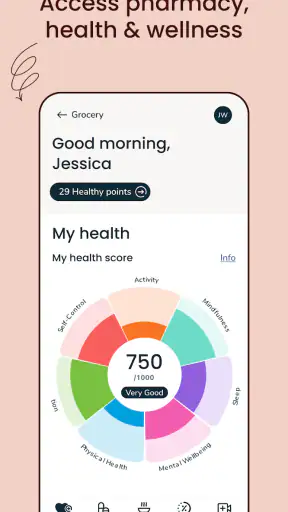
When I need to turn a vague grocery plan into an actual basket, I want fewer interruptions between deciding what to buy and getting it home. Vons Deals & Delivery is built around that everyday problem: it brings Vons shopping, digital savings, fuel-finding, prescription refills, and grocery pickup or delivery into one lifestyle app. I found its strongest value in the handoff between those tasks. Instead of treating a coupon app, a store locator, and an ordering service as separate tools, it gives me one place to begin.
The app comes from Albertsons Companies, Inc. and is free to use. It is rated for Everyone, which fits its practical household focus, and it has been available since May 7, 2012. Its current version is 2026.27.0, with Android support starting at version 8.0. On the store, it carries a 4.8 average from roughly 73 thousand ratings, while its reach has passed one million installs. Those figures suggest a mature service with a large user base, but they do not remove the need to check the details of each order before submitting it.
From an empty kitchen to a completed grocery order
Starting with the real need, not the app menu
My most useful way to approach this app is to begin with the household situation. If the refrigerator is nearly empty, I can open the shopping area and build a basket. If I already know what I want but need to spend less, I can start with the available deals and clip the relevant savings before checking out. If I am away from home and trying to decide where to stop for fuel, the fuel-finding function gives the app a different role from a normal grocery-ordering tool. A prescription refill is another separate starting point, but it can still belong to the same weekly routine.
That flexibility is important because grocery shopping rarely happens as one clean task. I might begin with a short list, notice an offer that makes a substitute worthwhile, remember a prescription, and then decide that pickup is easier than walking through the store. Vons Deals & Delivery is better suited to that mixed routine than a basic supermarket website that only displays products. I see it as a household control panel rather than simply a digital shelf.
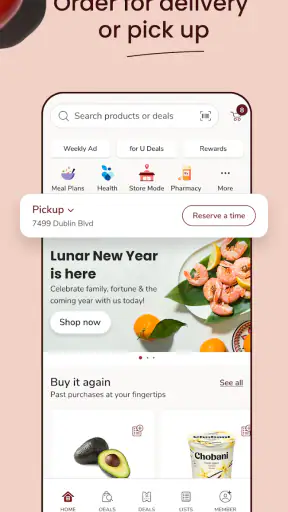
The first practical tip is to decide your fulfillment method before filling the basket too deeply. Pickup and delivery are not interchangeable in the way they feel on a screen. Pickup may suit someone already passing a Vons location, while delivery is more useful when time, mobility, weather, or a busy evening is the main concern. Making that choice early helps me judge the basket in the right context instead of treating every item as though it will arrive through the same route.
Building the basket while keeping deals under control
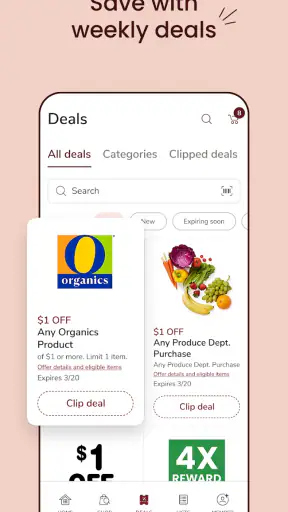
Once I move into shopping, the app’s value depends on how deliberately I use its savings tools. I would not simply add products and assume the lowest possible total will appear automatically. I prefer to look through the deal section first, clip the offers that match my planned purchases, and then search for the products I actually need. This order matters because it keeps promotions from driving the entire shop.
A common mistake with digital grocery deals is buying something only because it is marked down. That can create a larger basket, waste food, or make the final total less predictable. My approach is to treat a deal as a confirmation rather than a reason to buy: if the item is already on my list, the offer is useful; if it is not, I ask whether it replaces something I would have purchased anyway. This is one of the app’s less obvious strengths, because the saving tools can be helpful without forcing me into a promotional shopping style.
I also recommend checking the basket after every meaningful change. A product may have a different size, a different brand, or a different deal condition from the one I first intended to select. A quick review of quantities and variants is more reliable than trusting a thumbnail or a remembered offer. This is especially important for household staples, where a small change in package size can affect the value more than the coupon itself.
The app works well for a planned weekly shop, but it is also useful for a smaller “bridge” order. If I only need breakfast items, fresh produce, and a few basics before the next full shop, I can keep the order focused rather than making a long trip for a handful of products. That use case makes grocery delivery or pickup feel less like a luxury and more like a way to manage time intentionally.
Choosing pickup or delivery as the first important handoff
The basket is only the middle of the process. The important handoff happens when my list becomes an instruction for a store team or a delivery route. Before I commit, I would check the selected store, review the fulfillment choice, and confirm that the order still reflects what I meant to buy. This is where a convenient shopping session can become frustrating if I rush.
Pickup is usually the better fit when I want control over the journey to and from the store. I can place the order in advance, continue with other tasks, and collect it when I am already nearby. Delivery is more attractive when the trip itself is the problem. For someone working from home, caring for children, or avoiding an unnecessary drive, the ability to hand the last leg to the service can be more valuable than browsing the aisles.
There is a trade-off in both directions. Pickup still requires me to travel and coordinate the collection. Delivery removes that trip but makes the final result more dependent on the store’s preparation and the delivery handoff. I would choose pickup for a time-sensitive meal when I am already near the store, and delivery for a routine restock when convenience matters more than personally selecting every item.
Another useful workflow is separating urgent products from flexible ones. I would place items that are easy to identify and unlikely to need judgment in a delivery or pickup order, while buying highly specific produce or a particular substitute in person if that choice matters to me. This mixed strategy avoids demanding the same level of certainty from every product in the basket.
Keeping fuel and prescriptions in the same weekly rhythm
The fuel-finding feature gives the app a practical advantage over many grocery-only alternatives. I can use it when planning a store visit, especially if I am already deciding whether a trip is worth making. It is not just a shopping feature; it connects the grocery errand with another routine expense. That makes the app more useful for people who manage several household tasks from a phone rather than switching between unrelated services.
I would use the fuel tool before leaving, not after arriving at the store. That small change turns it into a planning aid: I can decide whether to combine shopping and refueling, or whether a pickup order makes more sense than an extra stop. The benefit is not that it eliminates planning, but that it puts the information in the same place as the grocery decision.
Prescription refills follow a different path and should be treated with more care than a normal grocery item. I would begin the refill process early enough to allow for any necessary review or timing issue, rather than waiting until the medication is nearly finished. The app makes the refill part of the same household workflow, but that does not mean it should be handled casually. I would verify the prescription details before submitting and keep any important medication schedule separate from my assumptions about grocery delivery timing.
This is a strong example of where the app is convenient but not magical. Combining groceries, fuel information, and refills reduces app switching, yet each task still has its own consequences. A missed snack is an inconvenience; a delayed prescription can be much more serious. I like having the tools together, but I would not treat the shared interface as proof that every task follows the same timing.
Checking the final result before the order leaves my hands
Before submitting, I would perform a short audit rather than relying on the convenience of the checkout screen. I check that the quantities make sense, that clipped deals apply to the selected products, and that the fulfillment method matches my schedule. I also look for accidental duplicates, especially after searching for the same item more than once. This final minute is where I can prevent the most avoidable problems.
I would also keep my expectations realistic about substitutions and availability. Grocery inventory changes, and an item that appeared while I was browsing may not be available when the order is prepared. For a flexible shop, that may be fine. For a recipe with one essential ingredient, I would either buy that ingredient in person or create a backup plan before submitting. The app can organize the order, but it cannot make every store shelf predictable.
The outcome I want is not merely a confirmation screen. I want a basket that fits my budget, a collection or delivery window that fits my day, and no surprise task waiting afterward. Vons Deals & Delivery gets close to that outcome when I use its functions as connected steps instead of isolated buttons. Deals influence the basket, the basket determines the handoff, and the handoff determines whether the time saving is real.
Where the smooth flow breaks
The biggest friction comes from the gap between digital convenience and physical fulfillment. Browsing is quick, but the actual order still depends on store availability, preparation, and the chosen handoff. That means the app can feel excellent during planning and less predictable at the moment I need a particular item. Users who dislike substitutions or who need exact produce quality may prefer shopping in person.
There is also a mental cost to managing deals correctly. Digital coupons can save money, but they reward attention. If I add products first and only glance at promotions later, I may miss the best opportunity to reduce the total. If I chase every offer, I may buy more than planned. The app is therefore best for someone willing to spend a little time reviewing the basket, not for a person who wants completely automatic savings.
Another limitation is that the combined feature set can make the experience feel broader than necessary. Someone who only wants a very fast grocery purchase may find the extra fuel and pharmacy functions irrelevant. A dedicated delivery service may be simpler for users who shop across many supermarkets, while a supermarket’s own app is usually more useful when the shopper already relies on that chain. Vons Deals & Delivery makes the most sense when Vons is already part of the person’s regular shopping pattern.
I would also skip it as my primary tool if I need a broad comparison across competing stores. The app is designed around Vons, so its strengths are convenience, store-specific deals, and connected household errands rather than impartial market-wide price comparison. For a large event or a highly price-sensitive shop, I might compare several retailers manually before choosing where to order.
Who will get the most from it
I think the app is especially useful for Vons shoppers who want to combine digital coupons, grocery ordering, fuel planning, and prescription refills in one routine. It suits busy households, people who repeat similar weekly baskets, and anyone who values pickup or delivery enough to plan ahead. It is also a reasonable choice for someone who wants to start with a list but still browse store deals before finalizing the order.
It is less suitable for shoppers who rarely use Vons, insist on selecting every fresh item personally, or want one app to compare all local supermarkets. It may also frustrate people who expect a coupon system to work without checking conditions and quantities. In my experience, the app rewards a small amount of organization; it does not replace judgment.
My final recommendation is positive, with one condition: use it as a planning tool, not as a promise that every digital step will be effortless. Start with the household need, clip only relevant savings, choose pickup or delivery based on the actual trip you want to avoid, and review the order before handing it over. Keep prescription timing separate from grocery assumptions, and use the fuel function before leaving rather than as an afterthought.
Vons Deals & Delivery is free, approachable, and unusually practical when several errands overlap. Its best result is not simply getting groceries onto a screen; it is reducing the number of decisions and app switches between a shopping plan and a completed household task. When exact product selection or cross-store comparison matters more than convenience, I would choose another approach. For regular Vons customers who want deals and fulfillment options woven into one weekly workflow, I would recommend giving it a try.


